Pain, tingling, or weakness that radiates from the neck into the shoulder or arm is often caused by compressed cervical nerves. When these symptoms persist, relieving pressure on the affected nerve while preserving natural neck movement becomes an important goal. Minimally invasive cervical foraminotomy creates additional space for the nerve through a small incision. This treatment helps to reduce symptoms without the need for spinal fusion in appropriately selected patients.
Saville Spine Institute in Palm Beach Gardens, FL, is recognized for its experience with motion-preserving cervical spine procedures. Led by a team of skilled spine specialists, the practice is regarded as a trusted authority in delivering precise, minimally invasive care for cervical nerve compression.
Minimally Invasive Cervical Foraminotomy
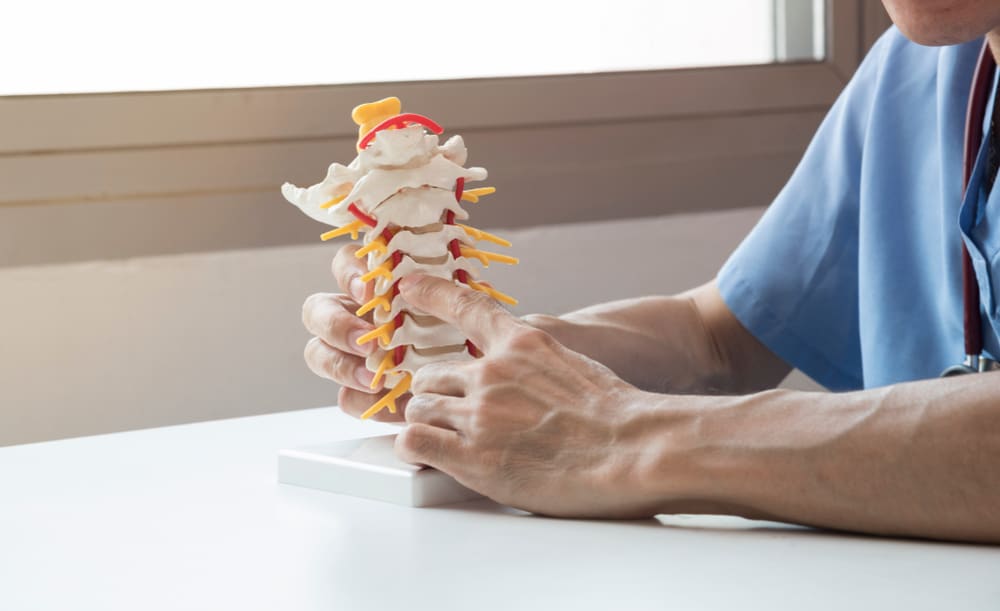
Minimally invasive cervical foraminotomy is a surgical procedure used to relieve pressure on a nerve in the neck caused by conditions such as bone spurs or disc herniation. The procedure is performed through a small incision, allowing the surgeon to remove the tissue compressing the nerve while preserving the natural structure and motion of the cervical spine.
Cervical Foraminotomy Benefits
Cervical foraminotomy offers several advantages for patients with nerve compression in the neck who want relief while preserving natural spinal movement. Because the procedure is minimally invasive, it typically involves a single small incision and causes minimal disruption to surrounding tissue. Many patients experience a faster recovery compared to more extensive cervical surgeries and are able to return home the same day. Cervical foraminotomy is commonly performed as an outpatient procedure and usually does not require wearing a neck collar after surgery. By avoiding fusion, the procedure maintains normal neck motion while addressing the source of nerve irritation.
Cervical Foraminotomy Candidates
Ideal candidates for cervical foraminotomy are individuals experiencing radicular pain, such as arm pain, numbness, or tingling caused by nerve compression in the neck. This procedure is often appropriate when symptoms are linked to a herniated disc or bone spur affecting a specific nerve root and have not improved with non-surgical care. Candidates typically have good spinal stability and preserved disc function.
Keep in mind that cervical foraminotomy is not recommended for patients with pressure on the spinal cord or conditions requiring broader spinal decompression. Other surgical approaches may be more appropriate in those cases.

What to Expect From Minimally Invasive Cervical Foraminotomy Recovery
Recovery after minimally invasive cervical foraminotomy is typically quicker and less restrictive than recovery from more extensive cervical spine surgeries. Many patients go home the same day and begin gentle movement shortly after the procedure. Post-operative discomfort is usually mild and manageable, and most individuals resume light activities within a short time.
Because the procedure preserves spinal motion, a neck brace is generally not required. Activity restrictions may be recommended early on to allow proper healing, followed by a gradual return to normal movement. Recovery timelines vary, but nerve-related symptoms often improve as healing progresses.
What is the Post-Surgery Outlook for Minimally Invasive Cervical Foraminotomy?
The post-surgery outlook for minimally invasive cervical foraminotomy is generally positive for appropriately selected patients. Many individuals experience relief from arm pain, numbness, or tingling as nerve pressure is reduced, often shortly after the procedure.
Because the surgery preserves spinal motion and avoids fusion, patients typically maintain normal neck mobility. Long-term outcomes depend on factors such as overall spine health, adherence to recovery guidelines, and the treatment of underlying conditions that may contribute to nerve compression.
Why Choose Saville Spine Institute for Minimally Invasive Cervical Foraminotomy in Palm Beach Gardens, FL?
Saville Spine Institute is a trusted choice for minimally invasive cervical foraminotomy in Palm Beach Gardens, FL, offering focused expertise in motion-preserving cervical spine procedures. The practice emphasizes precise diagnosis and careful patient selection to address nerve-related neck and arm pain without unnecessary fusion.
Under the guidance of experienced spine specialists, including Dr. Philip Saville, care is delivered using minimally invasive techniques designed to reduce tissue disruption and support a faster recovery. With a patient-centered approach and coordinated post-operative care, Saville Spine Institute works closely with each individual to support safe healing, restored function, and lasting relief from cervical nerve compression.
Patient Report
Here’s what one of our patients has to say about their minimally invasive cervical foraminotomy treatment:
Frequently Asked Questions
What symptoms may indicate I need a cervical foraminotomy?
Common signs include persistent neck pain, radiating pain to the shoulder or arm, numbness or tingling in the hands or fingers, muscle weakness, and difficulty with grip strength or coordination.
How long does minimally invasive cervical foraminotomy surgery take?
Minimally invasive cervical foraminotomy surgery typically takes between one and two hours, depending on the severity of nerve compression and the number of spinal levels being treated. Your surgeon can provide an accurate estimate during your consultation.
Is minimally invasive cervical foraminotomy an outpatient procedure?
Yes, minimally invasive cervical foraminotomy is often performed as an outpatient procedure. Many patients return home the same day after a short recovery period. In some cases, an overnight stay may be recommended based on the patient’s overall health or the complexity of the surgery.
How should I prepare for cervical spine surgery?
Preparing for cervical spine surgery may involve completing imaging tests, lab tests, and a physical exam. You may need to stop taking certain medications, avoid smoking, and arrange transportation and assistance for recovery at home. Following all pre-operative instructions carefully can help reduce complications and support a smoother recovery.
Will I have a scar after minimally invasive cervical foraminotomy?
A small scar is usually present after minimally invasive cervical foraminotomy, but the incision is significantly smaller than with traditional open surgery. Surgeons place the incision carefully to minimize visible scarring, and most scars fade over time with proper healing.
What are the risks of minimally invasive cervical foraminotomy?
Like any surgical procedure, minimally invasive cervical foraminotomy carries some risks. Potential complications may include infection, bleeding, nerve injury, spinal fluid leak, blood clots, or incomplete symptom relief. Although complications are uncommon, your surgeon will discuss all potential risks before surgery.
How long is the recovery process after minimally invasive cervical foraminotomy?
Recovery times vary, but many patients return to light activities within a few weeks. Full recovery may take several weeks to a few months, depending on the individual, the extent of surgery, and how well post-operative instructions are followed.
Will I need physical therapy after cervical foraminotomy?
Physical therapy is often recommended after cervical foraminotomy to help restore strength, flexibility, and mobility. A customized rehabilitation program may also help reduce stiffness and improve long-term outcomes.
Can minimally invasive cervical foraminotomy eliminate neck pain?
While minimally invasive cervical foraminotomy is highly effective at relieving nerve-related symptoms, it may not eliminate all neck pain. The procedure primarily targets nerve compression, so results can vary depending on the cause of discomfort and the patient’s overall spinal health.
How soon will nerve pain improve after surgery?
Many patients experience relief from nerve pain soon after surgery, sometimes within days. However, nerves may take time to fully heal, especially if compression has been present for a long time. Gradual improvement in numbness, tingling, and weakness can continue over several weeks or months.
Can minimally invasive cervical foraminotomy prevent the need for fusion surgery?
In some cases, yes. Minimally invasive cervical foraminotomy relieves pressure on spinal nerves while preserving the natural motion of the spine, which may help patients avoid spinal fusion. However, not every condition can be treated without fusion, and your surgeon will recommend the best option for your specific diagnosis.
What happens if cervical nerve compression is left untreated?
Untreated cervical nerve compression may lead to worsening pain, persistent numbness, muscle weakness, and reduced mobility. In severe cases, prolonged nerve compression can cause permanent nerve damage, loss of function, or difficulty performing everyday activities.
Can symptoms return after minimally invasive cervical foraminotomy?
Although many patients experience long-lasting relief, symptoms can return over time due to ongoing spinal degeneration, new disc issues, or recurrent nerve compression. Maintaining good posture, supporting spine health, and following up may help reduce the risk of recurrence.
Can older adults undergo minimally invasive cervical foraminotomy safely?
Yes, many older adults can safely undergo minimally invasive cervical foraminotomy. A thorough evaluation is necessary to determine whether the procedure is appropriate given the overall health and medical history.
How do I know if I need surgery or conservative treatment?
The need for surgery depends on the severity of your symptoms, imaging findings, and response to non-surgical treatments. Conservative care, such as physical therapy, medications, rest, or injections, is usually tried first. Surgery may be recommended if symptoms persist or worsen, or if they affect your quality of life.
How Do I Know if My Neck Pain Is Caused by a Pinched Nerve?
Neck pain may be related to a pinched cervical nerve when symptoms travel beyond the neck into the shoulder, arm, or hand. You may notice tingling, numbness, weakness, or pain that follows a specific path down the arm. Saville Spine Institute uses diagnostic evaluation and imaging to confirm whether nerve compression is causing your symptoms.
What Conditions Can Cervical Foraminotomy Treat?
Cervical foraminotomy may treat nerve compression caused by a herniated disc, bone spur, or narrowing around the nerve opening in the cervical spine. It is usually considered when symptoms such as arm pain, numbness, or tingling have not improved with nonsurgical care, and the spine remains stable.
How Is Cervical Foraminotomy Different From Cervical Fusion?
Cervical foraminotomy removes the tissue pressing on a nerve while preserving the natural motion of the neck. Cervical fusion joins two or more vertebrae together to stabilize the spine, which limits motion at that level. For appropriately selected patients, foraminotomy can relieve nerve pressure without fusion.
Will Cervical Foraminotomy Help With Arm Pain?
Cervical foraminotomy is often used to treat radiating arm pain caused by a compressed nerve in the neck. Many patients experience relief from arm pain, numbness, or tingling as pressure on the affected nerve decreases, though recovery varies based on nerve irritation and overall spine health.
Will I Need Physical Therapy After Cervical Foraminotomy?
Some patients benefit from physical therapy after cervical foraminotomy, but it depends on symptoms, strength, mobility, and the surgeon’s recovery plan. Physical therapy may help restore neck movement, improve posture and strength, and guide a safe return to normal activity.
When Can I Return to Work After Cervical Foraminotomy?
Your specific return-to-work timeline depends on your job and recovery. Many patients can resume light or desk-based work relatively soon, while physically demanding jobs may require more time and specific clearance from the surgeon. Your surgeon will discuss this in more detail during your initial appointment.
What Are the Risks of Cervical Foraminotomy?
All spine surgery carries some risk. Possible risks may include infection, bleeding, nerve irritation or injury, spinal fluid leak, continued pain, recurrent symptoms, or the need for additional treatment. Your surgeon will review your specific risk factors based on your imaging, health history, and the exact area being treated.
Can Symptoms Come Back After Cervical Foraminotomy?
Yes, symptoms can return in some cases. This may happen if new bone spurs develop, a disc changes further, scar tissue forms, or another level of the cervical spine becomes irritated. Your long-term results depend on your spine health, activity habits, and how well the underlying cause of nerve compression is managed.
Learn More About Minimally Invasive Cervical Foraminotomy Today
If ongoing neck or back pain is limiting your daily life, the team at Saville Spine Institute is here to help you explore your options. A one-on-one consultation provides the opportunity to discuss your symptoms, review diagnostic findings, and determine whether surgical or non-surgical care may be appropriate. To speak with a member of the team and request an appointment, contact us at (561) 630-3870 and take the next step toward relief and improved mobility.