
Chronic back or neck pain that develops gradually over time is often linked to degenerative disc disease, a common age-related condition affecting the spine. As spinal discs lose hydration and flexibility, they may no longer absorb shock effectively, leading to stiffness, reduced mobility, and ongoing discomfort. While disc degeneration is a natural part of aging, symptoms can vary widely and may become increasingly disruptive to daily life.
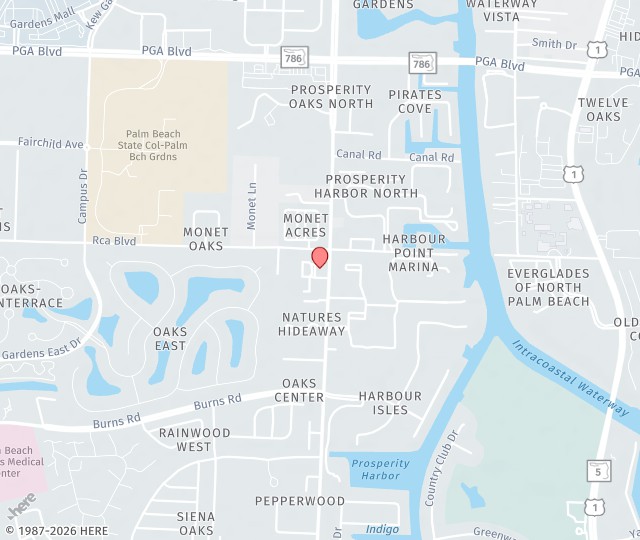
Saville Spine Institute in Palm Beach Gardens, FL, offers surgical and non-surgical treatments for degenerative disc disease. Board-certified spine surgeon Dr. Philip Saville leads the practice, which is recognized for its thoughtful approach to relieving pain while supporting long-term spinal function.
What Is Degenerative Disc Disease?
The spinal column is composed of 33 vertebrae separated by rubbery fibrous discs with a core of cartilage. These discs cushion the spine, allowing it to bend and flex with body movements. These discs undergo changes with aging. They may thin, dry out, or crack, or the softer cartilage core may begin to bulge out and cause pressure on the spinal canal.
Although the degeneration that comes with aging is normal, it is not recognized as degenerative disc disease unless it causes pain or other symptoms. Symptoms and severity vary, with some individuals experiencing minimal discomfort and others developing chronic pain and mobility limitations that interfere with daily activities.
Degenerative disc disease is so common that it affects about 90% of the population. It’s also more prevalent with age. About 40% of those over 40 have at least one degenerated disc, and at age 80, about 80% do.
Degenerative Disc Disease Symptoms
Warning signs of degenerative disc disease include:
Degenerative Disc Disease Treatment
Although degenerative disc disease is caused by natural aging processes for which there is no cure, treatment of symptoms and associated conditions can substantially improve a patient’s mobility and quality of life.
Saville Spine Institute may recommend any or all of the following treatments to patients:
Medication
Medications such as anti-inflammatories or pain relievers may help reduce discomfort and inflammation associated with degenerative disc disease. These treatments are typically used to manage symptoms rather than address the underlying disc degeneration.
Physical Therapy
Physical therapy focuses on improving flexibility, posture, and strength to support the spine. A guided program can help reduce pain, improve mobility, and increase tolerance for daily activity.
Core Strengthening Exercises
Core strengthening exercises target the muscles that support the spine, helping improve stability and reduce stress on degenerating discs. Stronger core muscles can ease symptoms and help protect the spine during movement.
Epidurals
Epidural injections deliver anti-inflammatory medication near irritated spinal nerves to reduce pain caused by disc degeneration. Relief is often temporary and may decrease in effectiveness over time.
Ablations
Nerve ablation procedures interrupt pain signals from arthritic or irritated joints near degenerating discs. This approach can provide longer-lasting relief for certain types of disc-related pain.
Disc Replacement
Disc replacement removes a damaged disc and replaces it with an artificial disc designed to preserve motion. This option may relieve pain while maintaining spinal movement in appropriately selected patients.
Spinal Fusion
Spinal fusion stabilizes painful disc levels by permanently joining vertebrae together. While effective for pain relief in some cases, fusion eliminates motion at the treated segment.
Stem Cell and Platelet-Rich Plasma (PRP) Therapy
Stem cell and PRP therapies use biologic materials to support tissue healing and reduce inflammation. These treatments may help manage symptoms in select patients with disc degeneration.
Why Choose Saville Spine Institute for Degenerative Disc Disease Treatment in Palm Beach Gardens, FL?
Saville Spine Institute offers comprehensive degenerative disc disease treatment in Palm Beach Gardens, FL. Patients choose our practice because our care is tailored to the full spectrum of disc-related conditions, with options ranging from non-surgical therapies to advanced, motion-preserving surgical procedures when appropriate.
With a team of experienced spine specialists, we deliver care using modern techniques designed to relieve pain while supporting long-term spinal function. We are known for our patient-centered approach and provide thoughtful, reliable care for chronic disc-related back and neck pain.
Frequently Asked Questions
Here are answers to some of the most common questions patients ask about degenerative disc disease.
Degenerative disc disease is considered to be a natural part of the aging process. The discs that cushion the vertebrae will flatten, bulge, or break down over time at different rates, depending on genetics, use, and other environmental factors.
Degenerative disc disease is common enough to be revealed by its symptoms, which include neck or back pain, spasms, and limited mobility. However, it will need to be confirmed by imaging – X-rays, MRIs, or CAT scans – in order to rule out other possible root causes.
No, just as there is no cure for aging. Disc degeneration is recognized as a natural physiological process that occurs in about 90% of individuals over the age of 60. It is considered a disease when accompanied by pain or impairment.
Sometimes. Not all discs degenerate at the same rate, which may allow badly worn discs to be surgically replaced. However, there are 33 vertebrae in the spinal column, with a vertebral disc separating each one. The more discs that are damaged, the lower the chances of replacement surgery being an option.
Get Help for Degenerative Disc Disease Today
Saville Spine Institute offers concierge-style treatment of degenerative disc disease in Palm Beach Gardens, FL. Call (561) 630-3870 to book a consultation today.