
Understanding Minimally Invasive Surgery for Kyphosis
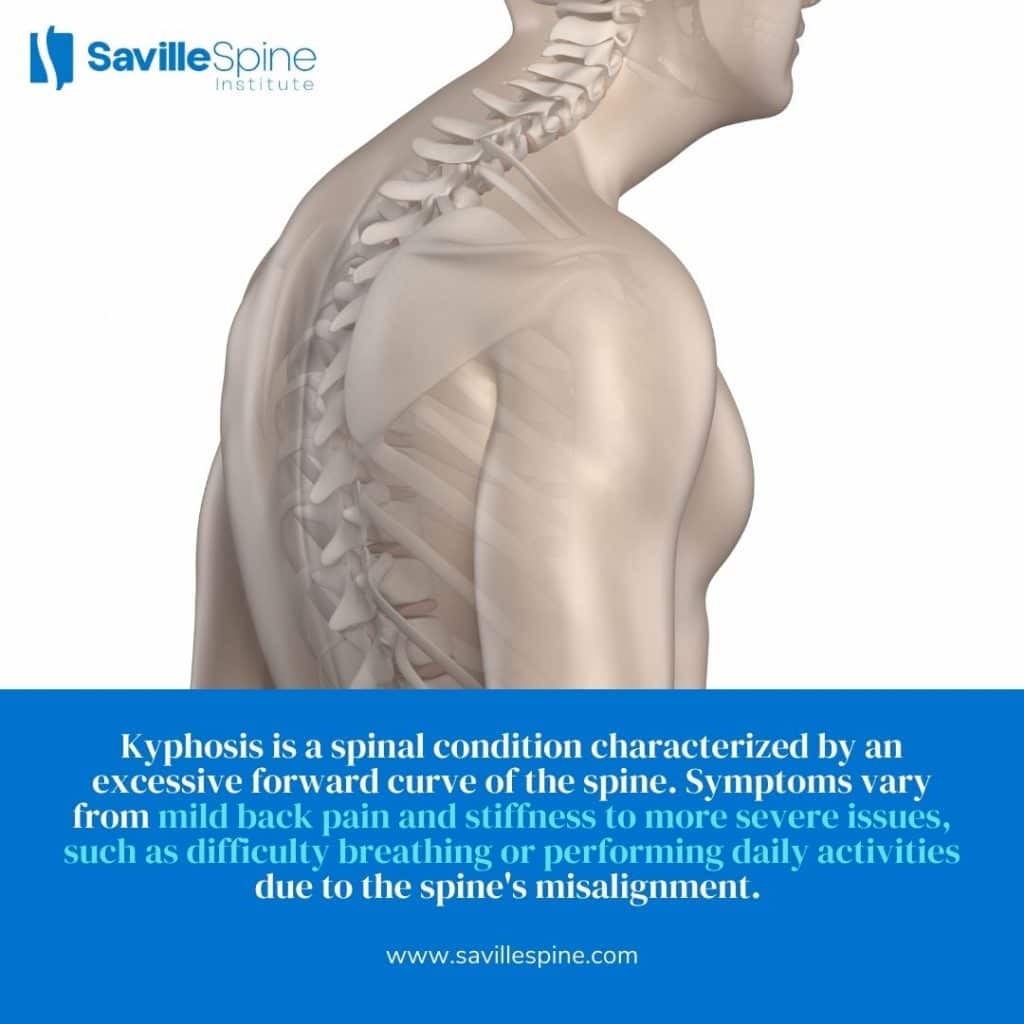
Kyphosis is a spinal condition characterized by an excessive forward curve of the spine. While mild cases may cause minimal discomfort, severe kyphosis can lead to pain, limited mobility, and decreased quality of life.
Fortunately, advancements in medical technology have introduced minimally invasive surgical options for treating kyphosis. These procedures offer effective solutions with fewer risks and faster recovery times than traditional surgeries.
Learn about the benefits of minimally invasive surgery and how it works in treating kyphosis.
What is kyphosis?
Kyphosis occurs when the natural curvature of the upper back becomes exaggerated. This condition can develop due to:
- Poor posture (postural kyphosis)
- Age-related wear and tear (degenerative kyphosis)
- Underlying conditions like osteoporosis, trauma, or congenital disorders.
Symptoms vary from mild back pain and stiffness to more severe issues, such as difficulty breathing or performing daily activities due to the spine’s misalignment.
Severe kyphosis not only affects physical health but also impacts self-esteem and mental well-being, making effective treatment crucial.
What are the benefits of minimally invasive surgery for kyphosis?
Traditional spinal surgeries often involve large incisions, muscle dissection, and lengthy recovery periods.
Minimally invasive surgery (MIS), however, uses advanced techniques and tools to bring the following benefits:
- Smaller incisions: Reduces visible scarring and minimizes damage to surrounding tissues.
- Less pain: Patients typically experience less postoperative pain, which reduces reliance on pain medications.
- Shorter recovery time: Faster healing allows patients to return to normal activities sooner.
- Lower risk of complications: Decreased chances of infection, blood loss, and nerve damage.
- Improved accuracy: Surgeons use imaging technologies like fluoroscopy for precise placement of surgical instruments.
How does minimally invasive surgery work?
Minimally invasive surgery for kyphosis involves correcting the spinal curvature using specialized tools and techniques. Here’s a breakdown of the process:
Preoperative preparation
The patient is placed under general anesthesia to ensure they are unconscious and pain-free throughout the surgery.
They will then be positioned carefully, usually lying face down, with their spine accessible to the surgeon. Padding and supports are used to protect other parts of the body and ensure comfort.
Real-time imaging, such as fluoroscopy or intraoperative CT scans, is prepared. These tools allow the surgeon to visualize the spine in great detail during the procedure.
Accessing the spine
The surgeon makes a series of small incisions near the area of the spine being treated. These incisions are typically less than an inch long and are strategically placed to minimize muscle disruption.
Next, the surgeon will carefully separate—not cut—the muscles and tissues around the spine. This creates a narrow pathway to the affected vertebrae while preserving the integrity of the surrounding structures.
Correcting the kyphosis
The specific surgical techniques used depend on the severity of the kyphosis and the patient’s unique anatomy. Key steps may include:
- Spinal decompression (if needed): Removing portions of bone or soft tissue, such as herniated discs, to relieve the pressure.
- Spinal stabilization: The surgeon uses small implants, such as screws and rods, to realign and stabilize the spine. These devices hold the vertebrae in the correct position to correct the curvature.
- Bone grafts (if required): To promote long-term stability, the surgeon may use bone grafts to encourage the vertebrae to fuse in the corrected position.
Closing the incisions
Once the spine is stabilized, the surgeon removes the retractor and carefully closes the small incisions with sutures or surgical glue. Minimal muscle disruption means less scarring and faster healing than traditional open surgery.
What to expect during recovery
Recovering from minimally invasive surgery for kyphosis is generally faster and less challenging compared to traditional open surgery.
However, it requires time, commitment, and a well-structured rehabilitation plan to ensure optimal outcomes. Here’s what you can expect during the recovery process
- Immediate postoperative period
Most patients remain in the hospital for 1–2 days following surgery, though some minimally invasive procedures allow for same-day discharge.
During this time, our medical staff will monitor your vital signs, manage pain, and ensure there are no immediate complications.
Early mobilization is encouraged to prevent complications such as blood clots. You may be assisted to stand or walk within 24 hours of the procedure.
- First few weeks post-surgery
During this time, it’s important to avoid strenuous activities, heavy lifting, or bending motions that may strain your spine. Light activities, like short walks, are encouraged to promote circulation and healing.
Keep the surgical site clean and dry as per your surgeon’s instructions. Sutures or surgical glue typically heal within 1–2 weeks.
- Physical therapy and rehabilitation
Physical therapy plays a key role in recovery and begins shortly after surgery. A physical therapist will guide you through exercises to:
- Restore mobility: Gentle stretching and range-of-motion exercises help you regain flexibility in your spine.
- Strengthen muscles: Core and back muscles are targeted to provide better spinal support and reduce the risk of recurrence.
- Improve posture: Therapists teach proper posture techniques to maintain the spine’s corrected alignment.
- Full recovery timeline
While you may feel better within weeks, complete recovery can take several months. This varies based on the severity of the kyphosis, the procedure performed, and your overall health.
- Returning to work and daily life
Sedentary jobs can usually be resumed within 2–4 weeks. Physically demanding jobs may require 8–12 weeks before a safe return.
Daily activities, such as light housework, typically resume within a month, but heavy lifting or high-impact activities should be avoided for at least 3 months.
- Monitoring long-term results
Regular follow-ups with your surgeon ensure that the spine remains stable and the correction is maintained. Long-term results are generally excellent, with most patients reporting significant improvements in pain relief and quality of life.
A Step Toward Relief with the Help of Saville Spine Institute
Minimally invasive surgery for kyphosis offers hope to individuals struggling with the challenges of this spinal condition.
At Saville Spine Institute, we provide effective correction for kyphosis (and other orthopedic conditions) with minimal disruption.
Our advanced techniques can help patients regain mobility, reduce pain, and restore confidence. Don’t let kyphosis limit your life—explore your options with our spine institute in Florida.
Some of the other minimally invasive spine surgery that we also specialize in include:
Contact the best concierge doctors near you today.
The material contained on this site is for informational purposes only and DOES NOT CONSTITUTE THE PROVIDING OF MEDICAL ADVICE, and is not intended to be a substitute for independent professional medical judgment, advice, diagnosis, or treatment. Always seek the advice of your physician or other qualified healthcare providers with any questions or concerns you may have regarding your health.
