
Top Signs You May Need a Minimally Invasive Microdiscectomy
Back pain can be more than just a nuisance—it can disrupt your work, limit your mobility, and interfere with your quality of life. While many causes of back pain can be managed with conservative treatments such as physical therapy, medications, and rest, certain conditions may require surgical intervention. One such condition is a herniated disc, and when symptoms persist or worsen, a minimally invasive microdiscectomy might be your best option for relief.
Minimally invasive microdiscectomy is a modern, less disruptive surgical technique designed to relieve pressure on spinal nerves caused by herniated or bulging discs. But how do you know if you’re a candidate for this procedure? Here are the top signs that you may need a minimally invasive microdiscectomy.

1. Persistent Sciatica or Radiating Leg Pain
Sciatica is one of the most common symptoms of a herniated disc in the lower spine. When the disc material presses on the sciatic nerve, it can cause shooting pain down one leg, often described as sharp, burning, or electric. This pain may extend from the buttocks all the way down to the foot.
When to consider surgery: If this pain has persisted for more than 6 to 8 weeks despite rest, physical therapy, and medication, and it significantly affects your daily activities, a microdiscectomy may be recommended to relieve the nerve compression.

2. Numbness, Tingling, or Weakness in the Legs or Feet
A herniated disc can compress spinal nerves, affecting not just sensation but also muscle strength. You might notice numbness or tingling in your foot or toes. In more serious cases, your leg may feel weak or give out unexpectedly, making walking difficult or dangerous.
When to consider surgery: If you notice progressive neurological symptoms, such as worsening numbness or leg weakness, it’s crucial to seek evaluation. Delaying treatment may lead to permanent nerve damage. A microdiscectomy can decompress the affected nerve and help restore function.

3. Pain That Worsens With Coughing, Sneezing, or Sitting
Pain from a herniated disc typically intensifies when pressure increases in the spinal column, such as when you cough, sneeze, or sit for long periods. This symptom is especially common with lumbar disc herniations. You may find temporary relief when lying down or changing positions frequently.
When to consider surgery: If your pain consistently worsens in these situations and is unresponsive to non-surgical care, a microdiscectomy might be appropriate to remove the disc material causing the pressure.

4. Limited Mobility and Daily Functioning
When herniated disc symptoms limit your ability to perform daily tasks, such as bending over, lifting, climbing stairs, or even sleeping comfortably, it can take a toll on your quality of life. Pain can become all-consuming, leading to decreased productivity and mental health issues like depression or anxiety.
When to consider surgery: If chronic pain is affecting your ability to work or enjoy life, and conservative treatments haven’t helped, minimally invasive surgery may offer significant relief and restore your mobility.

5. Failed Non-Surgical Treatments
Conservative treatments are always the first line of defense against back and leg pain. These include:
- Physical therapy
- Anti-inflammatory medications
- Epidural steroid injections
- Chiropractic care
- Rest and activity modification

While many people experience improvement with these methods, some do not.
When to consider surgery: If you’ve tried multiple conservative treatments over several weeks or months with little to no improvement, it may be time to explore a surgical solution like microdiscectomy.

6. Cauda Equina Syndrome (Emergency Symptom)
Cauda equina syndrome is a rare but serious condition that occurs when a large disc herniation compresses the nerves at the base of the spinal cord. Symptoms include:
- Sudden loss of bowel or bladder control
- Severe numbness in the groin or saddle area
- Weakness or paralysis in the legs
When to consider surgery: This is a medical emergency that requires immediate surgery. A microdiscectomy—or more extensive decompression—may be performed to prevent permanent damage to nerves controlling the bladder, bowels, and legs.
What Is a Minimally Invasive Microdiscectomy?
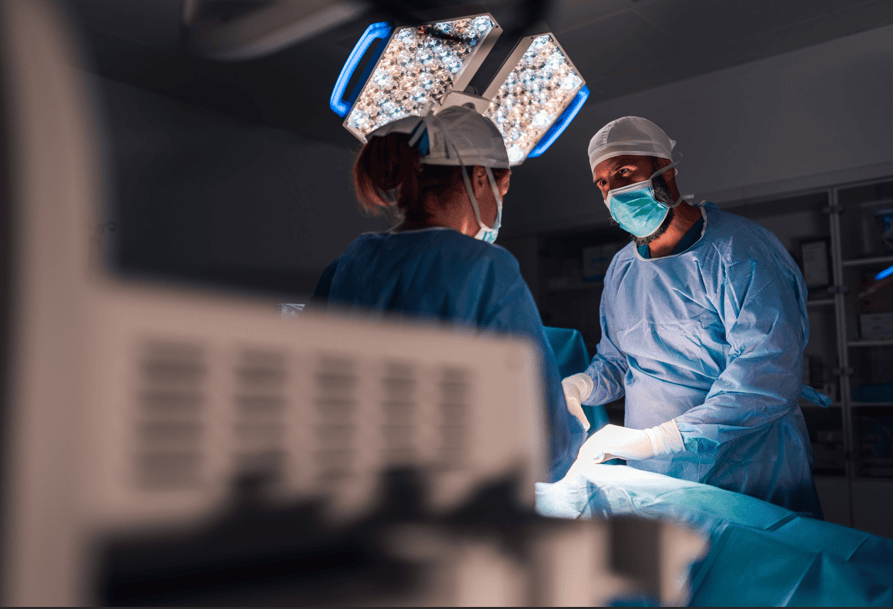
A minimally invasive microdiscectomy is a surgical procedure to remove the portion of a herniated disc that is compressing a spinal nerve. Unlike traditional open surgery, it uses smaller incisions (often less than 1 inch), specialized instruments, and a surgical microscope to access the disc with minimal disruption to surrounding muscles and tissues.
Key benefits include:
- Less postoperative pain
- Shorter recovery time
- Minimal scarring
- Outpatient or same-day discharge
- Quicker return to normal activities
Who Performs This Surgery?
Minimally invasive microdiscectomy is typically performed by a board-certified neurosurgeon or orthopedic spine surgeon with specialized training in minimally invasive spine techniques. It’s crucial to choose a surgeon with extensive experience and a strong track record in this type of procedure.
What Does Recovery Look Like?
Recovery after a minimally invasive microdiscectomy is generally quick compared to traditional surgery. Most patients:
- Go home the same day or after one night
- Return to light activities within a week or two
- Resume normal activity, including work, in 4–6 weeks (depending on the job)
- Achieve full healing in 8–12 weeks
Physical therapy may be recommended to rebuild strength and flexibility after surgery.
Is This Surgery Right for You?
While a microdiscectomy can offer tremendous relief, it’s not the right solution for everyone. Ideal candidates usually:
- Have confirmed disc herniation on MRI
- Experience leg pain more than back pain
- Have failed conservative therapy for 6–12 weeks
- They are generally in good health and able to undergo anesthesia
Your doctor will assess your medical history, symptoms, imaging results, and goals before recommending surgery.
Final Thoughts
Back pain doesn’t have to define your life. If you’ve been struggling with persistent leg pain, weakness, or limited mobility due to a herniated disc, a minimally invasive microdiscectomy may be the solution you need to reclaim your life.
Recognizing the signs early and seeking professional evaluation is critical to avoiding long-term damage and maximizing your chances of a full recovery. This modern, highly effective procedure offers hope for lasting relief, with less pain, quicker recovery, and better results.

Need a Consultation?
If you’re experiencing any of the signs mentioned above and want to explore whether a minimally invasive microdiscectomy is right for you, contact your spine specialist today. Relief might be just one small incision away.
