
Recovery Timeline After Lumbar Disc Arthroplasty
Are you or a loved one considering lumbar disc arthroplasty surgery? Recovery from this procedure will involve different stages and timeframes. While every individual’s situation may vary, a general recovery timeline can be expected.
Here, we provide a comprehensive guide on what to expect during the recovery process after lumbar disc arthroplasty, from pre-surgery preparation to post-operative care.
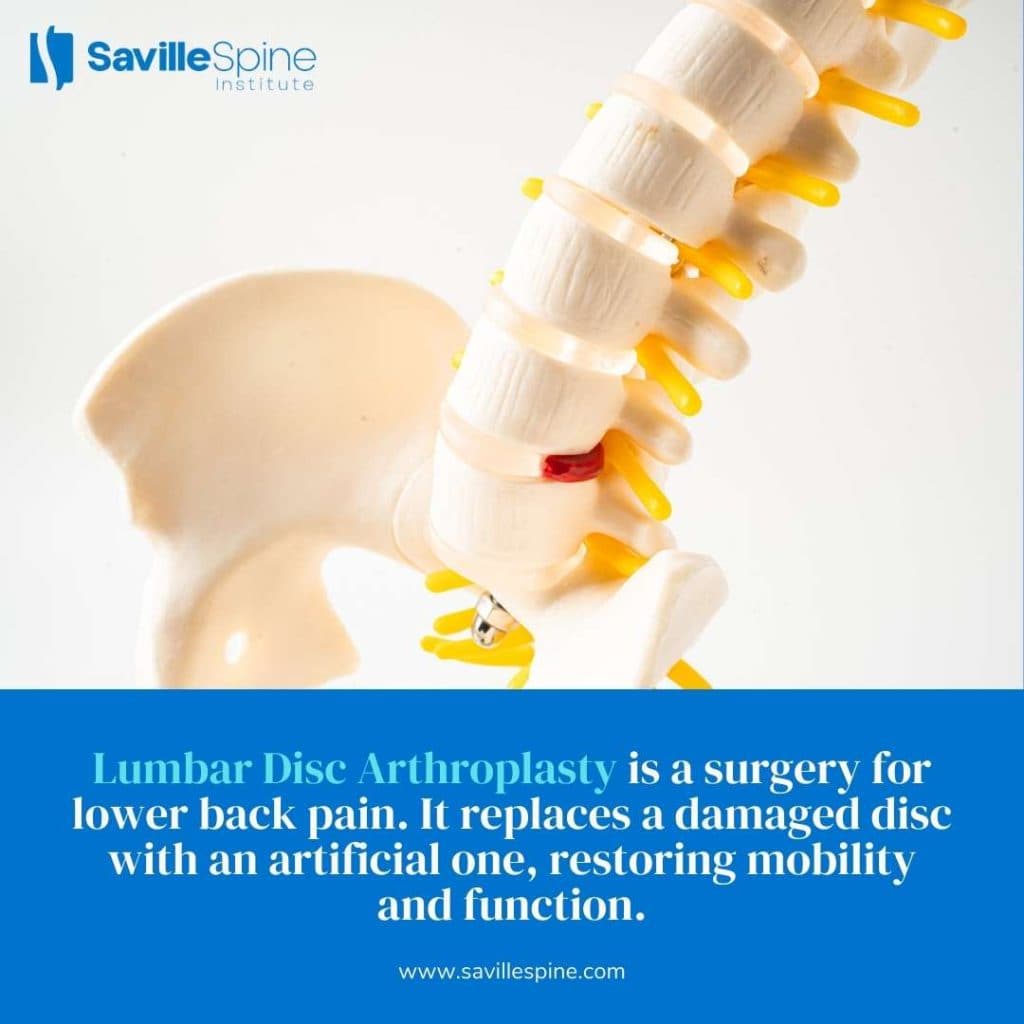
What is Lumbar Disc Arthroplasty?
Lumbar disc arthroplasty, or artificial disc replacement, is a surgical procedure that aims to alleviate pain caused by a damaged or degenerated spinal disc in the lower back (lumbar region). The procedure involves replacing the damaged disc with an artificial one to restore spine mobility and function.
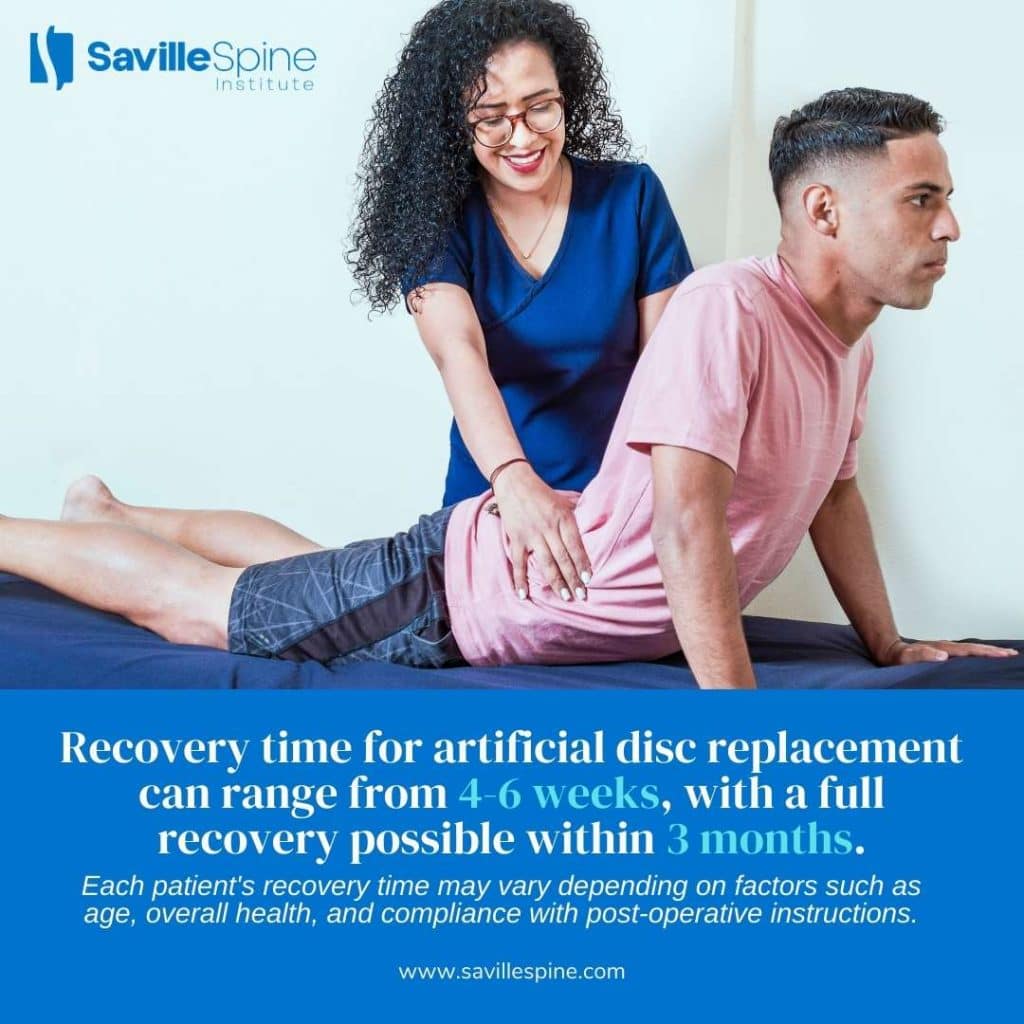
Recovery Time for Artificial Disc Replacement
One of the top concerns for people considering artificial disc replacement surgery is the recovery time. Let’s break down everything you need to know about the recovery process for artificial disc replacement, including tips for a successful and speedy recovery.
- Pre-Surgery Preparation
Before undergoing lumbar disc arthroplasty, your surgeon will thoroughly assess you to determine your suitability. This will include a physical examination, imaging tests (such as X-rays or MRI), and a medical history review. Your surgeon will also discuss the risks and benefits of the surgery with you and address any concerns or questions you may have.
In the days before your surgery, it’s essential to follow any instructions provided by your surgeon and medical team. This may include avoiding certain medications, fasting before the surgery, and arranging for a friend or family member to accompany you on the day of the procedure.
- Days 1-3 Post-Surgery
After your lumbar disc arthroplasty surgery, you will be closely monitored in the recovery unit for a few hours. Once your vital signs are stable, you will be transferred to a regular room. Your healthcare team will help you manage discomfort or pain with medication during your stay. You will also be encouraged to get up and walk a few hours after the procedure, with assistance from a nurse or physical therapist.
- Days 4-7 Post-Surgery
You may experience mild discomfort and fatigue as your body continues to heal. It’s essential to follow any activity restrictions and guidelines your surgeon provides. This may include avoiding heavy lifting, bending, or twisting motions. Physical therapy may also begin during this time, with exercises to improve strength and mobility in your lower back.
- Week 2-4 Post-Surgery
By this stage, most patients can return home and resume light activities such as walking, driving, and light household chores. Your surgeon will schedule a follow-up appointment to monitor your progress and address concerns. Following post-operative care instructions to aid healing is essential, such as wearing a back brace, avoiding strenuous activities, and taking prescribed medications.
- Week 5-8 Post-Surgery
Around this time, most patients will notice improved pain levels and ability to perform daily activities. Physical therapy may become more intense, focusing on core strengthening and flexibility exercises to support your spine. Depending on your healing process, your surgeon may allow you to gradually return to light work duties.
- 3 Months Post-Surgery
At the three-month mark, you should be experiencing significant improvement in your symptoms and overall mobility. Your medical team will continue to monitor your progress and adjust your treatment plan as needed. Most patients can resume driving, light exercise, and some work duties.
- 6 Months Post-Surgery
Patients typically report a significant reduction in pain and improved mobility by the six-month mark. Your surgeon may recommend a rehabilitation program to help you return to normal activities and potentially resume more physically demanding work tasks. Following the guidelines and practicing physical therapy exercises are essential to maintain progress.
- 1 Year Post-Surgery
At one year, patients who have recovered well can expect to return to their regular activities and exercise routines. While every individual’s healing process differs, most patients will experience significant improvements in their pain levels and quality of life. It’s important to continue following a healthy lifestyle with regular exercise and a balanced diet to support your spinal health.
Factors Affecting Recovery Time
The success of this procedure relies not only on the surgeon’s skill but also on various factors that can affect the recovery time and overall outcome. This includes:
- Age: The older you are, the longer it may take to heal after lumbar disc surgery. This is because our spine and muscles weaken as we age, making it harder for our bodies to recover.
- Pre-existing conditions: Having diabetes, heart disease, or obesity can slow down the healing process after lumbar disc surgery. These conditions also raise the chances of complications during and after the procedure.
- Type and severity of disc damage: The extent and location of the damaged disc can affect how long it takes to recover. Severe damage may need more complex surgery and longer rehab.
- Lifestyle habits: Unhealthy habits like smoking, too much alcohol, and not being active can slow down healing after back surgery. They make it harder for the body to heal and can cause more problems.
- Compliance with post-surgery instructions: Follow your doctor’s instructions to heal well after lumbar disc surgery. These may include limits on movement, medicine times, and incision care. Follow them to avoid a slower recovery and more complications.
- Physical therapy: Physical therapy is crucial for healing after lumbar disc surgery. It helps rebuild strength, flexibility, and function. Patients who stick to their program can recover faster and have better long-term results.
- Mental and emotional well-being: Lumbar disc arthroplasty recovery can be tough on the mind and emotions. Chronic pain, restricted movement, and fear of setbacks can impact mental well-being. Seek help from loved ones and therapists to stay positive and recover successfully.
Tips for a Faster and Smoother Recovery
Recovering from any surgery can be daunting, but you can heal faster and smoother with the right tips and guidance. Here are some tips to help you or your loved one recover after lumbar disc arthroplasty.
- Follow Your Doctor’s Instructions: Listen to and follow your doctor’s post-surgery care guidelines carefully. This might mean less activity following meds and check-ups, but it’s crucial for a smooth recovery.
- Get Enough Rest: Rest is crucial for a quick recovery after surgery. Get plenty of sleep and take naps to help your body heal. Avoid strenuous activities and seek help if you have trouble sleeping.
- Use Proper Body Mechanics: After surgery, it’s crucial to maintain good body posture to avoid injuring the affected area. Don’t bend, lift heavy objects, or sit/stand for too long. Use your arms to help when getting up, and ask your doctor or physical therapist for specific tips and exercises.
- Stay Hydrated and Eat a Nutritious Diet: Hydrating and eating a balanced diet aids recovery. Water flushes toxins, and a wholesome diet provides essential healing nutrients. Stay hydrated with eight glasses of water and eat fruits, veggies, lean protein, and whole grains.
- Take it Slow: Recovery happens day by day. Take your time with it, and pay attention to your body. Rest if you feel pain. It’s normal, but tell your doctor about severe discomfort. Follow your doctor’s or physical therapist’s guidance to increase your activity level gradually.
- Attend Physical Therapy: Commit to physical therapy to get the most out of your lumbar disc surgery. With expert guidance, you can strengthen your back, improve flexibility, and reduce pain. Make sure to attend appointments or recommended exercises.
- Stay Positive: Recovery after surgery can be challenging, but a positive mindset and support from loved ones can make all the difference. Focus on progress, and remember you’re on the path to healing.
Say Goodbye to Chronic Back Pain: Recover with Us!
Are you dealing with chronic back pain that is affecting your daily life? Consider lumbar disc arthroplasty as a solution, but are you worried about recovery? Look no further! The Saville Spine Institute, home to the best spine surgeon in Florida, is here to help you on your journey to recovery.
Discover various surgical and non-surgical options available at Saville Spine Institute to address your individual needs:
- Cervical Laminoplasty
- Kyphoplasty
- Spine arthroplasty
- MIS Lumbar Fusions
- Anterior Lumbar Fusion
- Concierge Orthopedics
- And more!
The well-being of our patients is our number one concern. Dr. Saville exhaustively explores all available treatment methods to find the most effective way to alleviate discomfort and maintain mobility for each individual. This includes considering minimally invasive spine surgery, which can significantly improve patient outcomes.
So don’t let back pain hold you back any longer – trust the experts at Saville Spine Institute for a seamless recovery journey. Schedule a consultation with us today and take the first step towards a pain-free, healthier you.
***
The material on this site is for informational purposes only and DOES NOT CONSTITUTE THE PROVIDING OF MEDICAL ADVICE, and is not intended to be a substitute for independent professional medical judgment, advice, diagnosis, or treatment. Always seek the advice of your physician or other qualified healthcare provider with any questions or concerns you may have regarding your health.
