
Minimally Invasive Lumbar Fusion for Spondylolisthesis: A Tailored Approach to Pain Relief
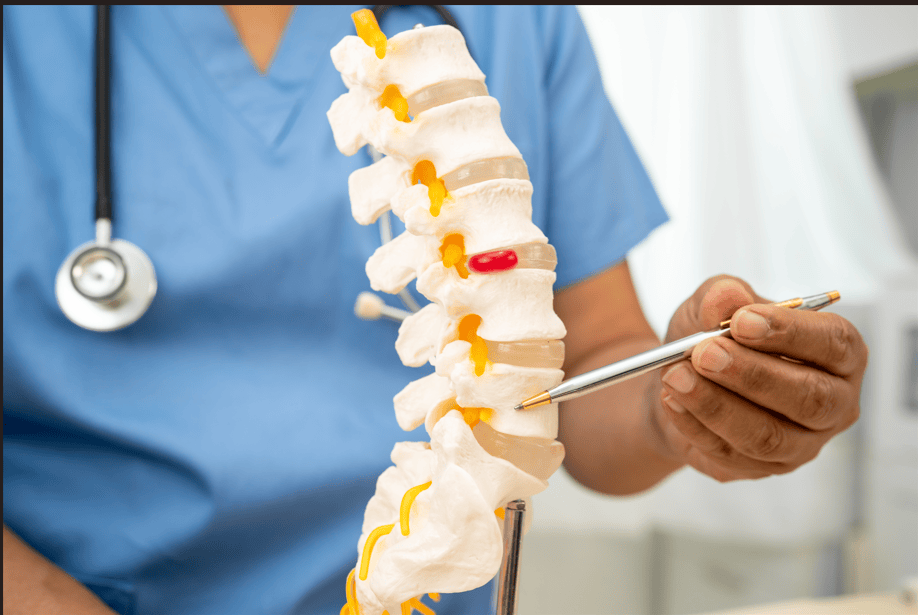
Spondylolisthesis—a condition where one vertebra slips over the one below it—can cause persistent back pain, nerve compression, and significant disruption to daily life. While conservative treatments like physical therapy, pain medications, and epidural steroid injections often help, they may not be enough for everyone. For those with worsening symptoms or spinal instability, surgery becomes a viable option. Among surgical techniques, minimally invasive lumbar fusion (MILF) has emerged as a promising, patient-centered approach offering relief with less trauma and faster recovery.
In this blog, we’ll explore how minimally invasive lumbar fusion is revolutionizing care for spondylolisthesis, what makes it a tailored treatment option, and what patients can expect from the procedure and recovery.

Understanding Spondylolisthesis
Spondylolisthesis occurs when a vertebra slips out of its normal position, often due to degenerative changes (common in older adults), a defect in the bone (isthmic spondylolisthesis), trauma, or congenital factors. The slippage can compress nerves in the spinal canal or foramen, causing symptoms such as:
- Chronic lower back pain
- Radiating leg pain (sciatica)
- Muscle weakness or numbness
- Difficulty walking or standing for long periods
- Loss of bladder or bowel control (in severe cases)
Mild cases may not require surgical intervention, but when conservative treatments fail and quality of life declines, spinal fusion becomes a consideration.
What Is Lumbar Fusion?
Lumbar fusion surgery involves permanently joining two or more vertebrae to prevent movement between them, which can alleviate pain caused by instability or nerve compression. Traditionally, this was done through open surgery, requiring a large incision and significant muscle dissection. While effective, open fusion came with longer hospital stays, increased blood loss, and a slower recovery.
Minimally invasive lumbar fusion seeks to address these limitations by using advanced surgical techniques and tools that minimize tissue damage.

What Makes It Minimally Invasive?
In a minimally invasive lumbar fusion, surgeons access the spine through smaller incisions, typically using a tubular retractor and a microscope or endoscope for visualization. The key benefits include
- Smaller incisions (typically less than 1 inch)
- Reduced blood loss
- Minimal disruption to muscles and soft tissues
- Lower risk of infection
- Shorter hospital stays
- Faster return to daily activities
Advanced imaging and navigation tools help ensure accurate placement of screws, rods, and bone grafts—all crucial components of the fusion process.

Tailoring the Approach: One Size Doesn’t Fit All
No two patients are alike. A tailored approach to minimally invasive fusion means taking into account
1. Type and Grade of Spondylolisthesis
Degenerative (common in aging spines) and isthmic (due to a stress fracture or defect) are the most common types. The degree of slippage, known as the Meyerding grade, helps determine the surgical plan.
2. Patient’s Anatomy and Bone Health
Osteoporosis or abnormal anatomy may affect implant choice or surgical technique. Bone quality influences the likelihood of a successful fusion.
3. Symptom Profile
Some patients may primarily experience back pain, while others suffer from leg symptoms due to nerve compression. Tailoring surgery means choosing the right type of decompression and fusion level.
4. Lifestyle and Functional Goals
Active individuals may prioritize mobility and quicker recovery. Elderly or medically complex patients may benefit from shorter operative times and less physiologic stress.
Types of Minimally Invasive Fusion Techniques
Several approaches are used based on the location and severity of the spondylolisthesis:
▶ Transforaminal Lumbar Interbody Fusion (TLIF)
One of the most common methods involves accessing the spine from the side of the spinal canal, removing the damaged disc, and placing a bone graft and cage to promote fusion. TLIF offers good access to nerve roots and disc space.
▶ Posterior Lumbar Interbody Fusion (PLIF)
Similar to TLIF but involves a midline posterior approach. It’s often reserved for more complex cases.
▶ Lateral Lumbar Interbody Fusion (LLIF)
In LLIF, the surgeon accesses the disc space from the patient’s side, avoiding major back muscles. This approach may not be ideal for lower levels (like L5-S1) due to pelvic bone interference.
▶ Anterior Lumbar Interbody Fusion (ALIF)
Performed through the abdomen, ALIF allows for the placement of larger implants and is ideal for cases with significant disc height loss.

Who Is a Candidate?
Minimally invasive lumbar fusion may be recommended for patients who:
- Have failed conservative treatments for at least 6 months
- Experience debilitating pain and/or neurological deficits
- Show radiographic evidence of spinal instability
- Are otherwise in good health for surgery
However, not all patients are suitable candidates. Severe deformity, high-grade slippage, or prior spine surgery may necessitate a more traditional open approach.

What to Expect Before, During, and After Surgery
Before Surgery:
Patients typically undergo advanced imaging (MRI, CT, X-rays) and presurgical assessments to ensure surgical readiness. Smoking cessation, good nutrition, and physical conditioning can improve outcomes.
During Surgery:
The procedure usually lasts 2–4 hours, depending on complexity. A small incision is made, and with real-time imaging, the surgeon decompresses nerves and inserts hardware and bone grafts.
After Surgery:
- Most patients stay 1–3 days in the hospital
- Pain is managed with medication and early mobilization
- Walking is encouraged within 24 hours
- Return to light activity within a few weeks
- Full fusion typically takes 6–12 months
Patients often notice gradual relief of leg pain first, followed by improvement in back pain.
Risks and Considerations
Though minimally invasive techniques reduce many complications, risks still exist:
- Infection
- Nerve injury
- Non-union (failure of bones to fuse)
- Implant failure or adjacent segment disease
Working closely with an experienced spine surgeon helps mitigate these risks.
The Future of Spine Surgery: Precision and Personalization
Minimally invasive lumbar fusion represents a significant advancement in spine care. With continuous improvements in robotics, navigation systems, biologics, and implant materials, outcomes are getting better, and recovery is getting faster.
The shift toward personalized spine surgery means not only choosing the right tools but also understanding the patient’s unique story—how their condition affects their life and what they hope to regain. That’s the true essence of a tailored approach to pain relief.

Conclusion
Spondylolisthesis can be a painful and limiting condition, but minimally invasive lumbar fusion offers hope for lasting relief with fewer drawbacks than traditional open surgery. By customizing the approach to fit each patient’s anatomy, needs, and goals, spine surgeons can deliver more effective, targeted care.
If you’re struggling with back pain and think surgery may be your next step, talk to a spine specialist about whether a minimally invasive fusion could be right for you.
