
What To Expect After Minimally Invasive Spine Surgery: Recovery Guide
Ah, got it! You want it catchy but still in your natural, simple voice. Here are some options:
- “Recovering from spine surgery? It can feel like a lot.”
- “Spine surgery recovery can feel overwhelming—but you’ve got this.”
- “Healing after spine surgery isn’t easy, but you can handle it.”
- “Spine surgery recovery: tough, but totally doable.”
- “Feeling overwhelmed after spine surgery? You’re not alone.”
Feeling overwhelmed after spine surgery?You are not slone.Even thinking about surgery can make simple tasks seem daunting. Thankfully, minimally invasive spine surgery (MISS) has changed the game. With smaller incisions and less tissue disruption, recovery is often faster and less painful than traditional open surgery.
At Saville Spine Institute in Palm Beach Gardens, patients are guided through every step of recovery by Dr. Philip Saville, Dr. Lawrence Gorfine, and Dr. Jason Meldau. Their goal is simple: help patients feel better, move better, and regain their lives.
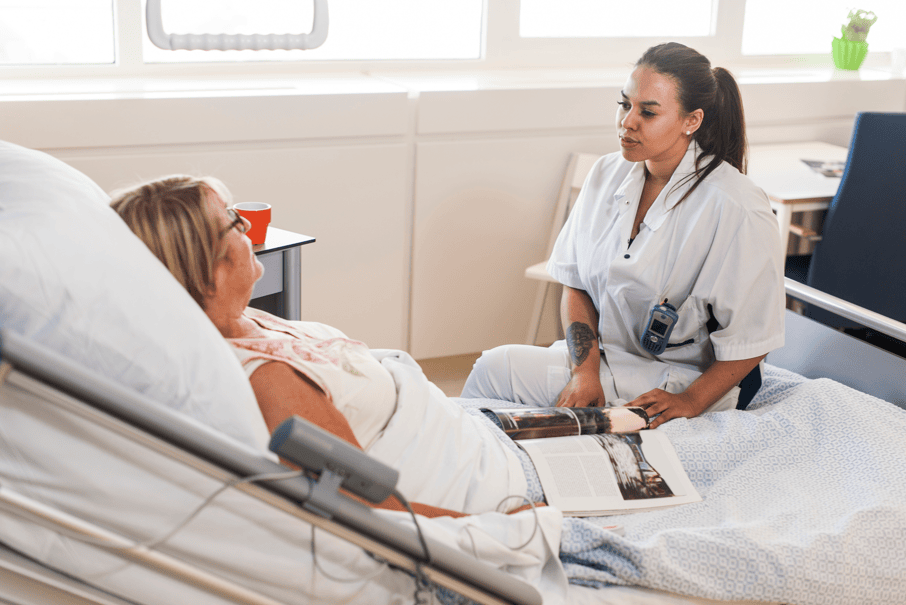
The First 24–48 Hours
Right after surgery, you’ll spend time in the recovery room. Nurses will monitor your vitals and comfort level. With MISS, many patients notice less post-op pain than they expected.
You may experience:
- Soreness around the incision.
- Fatigue from anesthesia.
- Temporary tingling or numbness if nerves were involved.
Dr. Lawrence Gorfine, a pain medicine specialist with over 25 years of experience, ensures patients have personalized pain management, which is a key part of a smooth spine surgery recovery.

Returning Home
One of the biggest advantages of MISS is the short hospital stay. Many patients go home the same day or within 24 hours.
Here are some practical post-op spine tips for the first week:
- Keep your incision clean and dry.
- Avoid heavy lifting or twisting.
- Take short, frequent walks to stay mobile.
- Follow your medications as prescribed.
Dr. Philip Saville emphasizes that small, steady progress matters more than rushing back to normal activity.

Weeks One to Two
During this stage, soreness usually decreases, and many patients notice relief from nerve-related pain, like sciatica. Physical therapy often starts, focusing on:
- Gentle stretching.
- Core and back strengthening.
- Learning safe posture and movement.
Dr. Jason Meldau customizes rehabilitation for each patient, ensuring exercises are safe and effective—these are the kinds of post-op spine tips that really help patients feel in control of their recovery.

Weeks Three to Six
By three to six weeks, most patients are moving more comfortably and resuming light daily activities. Recovery is gradual, and the smaller incisions from MISS allow for a quicker return to routine.
- Gradually return to work if it’s not physically demanding.
- Increase walking and light exercise.
- Continue physical therapy to build strength.
Dr. Saville advises patients to listen to their body—overdoing it too soon can slow healing.
Months Two to Three
Within two to three months, many patients feel almost back to normal. Incisions are healed, mobility is improved, and pain is significantly reduced. Advanced therapy focuses on flexibility, strength, and preventing future injuries.
Maintaining good posture, staying active, and following all post-op spine tips will help protect your spine in the long term.
Final Thoughts
Spine surgery recovery after minimally invasive procedures is often smoother than patients expect. While everyone heals at their own pace, understanding what to expect—from the first day home to returning to full activity—can reduce stress and help you stay on track.With guidance from Dr. Philip Saville, Dr. Lawrence Gorfine, and Dr. Jason Meldau at Saville Spine Institute, patients get expert care, clear instructions, and the support they need to heal safely and regain the life they love. Following simple post-op spine tips—moving safely, attending therapy, and listening to your body—makes all the difference in recovery.
