
Recovery Timeline After Microdiscectomy: What to Expect
Are you or a loved one preparing for microdiscectomy surgery? You may have already gone through the procedure and are curious about recovery. Either way, understanding the recovery timeline after microdiscectomy can help ease any fears or uncertainties.
This blog will discuss what to expect during recovery and how long it typically takes to return to normal daily activities. So, let’s dive in and learn more about the recovery journey after a microdiscectomy.
What is Microdiscectomy?
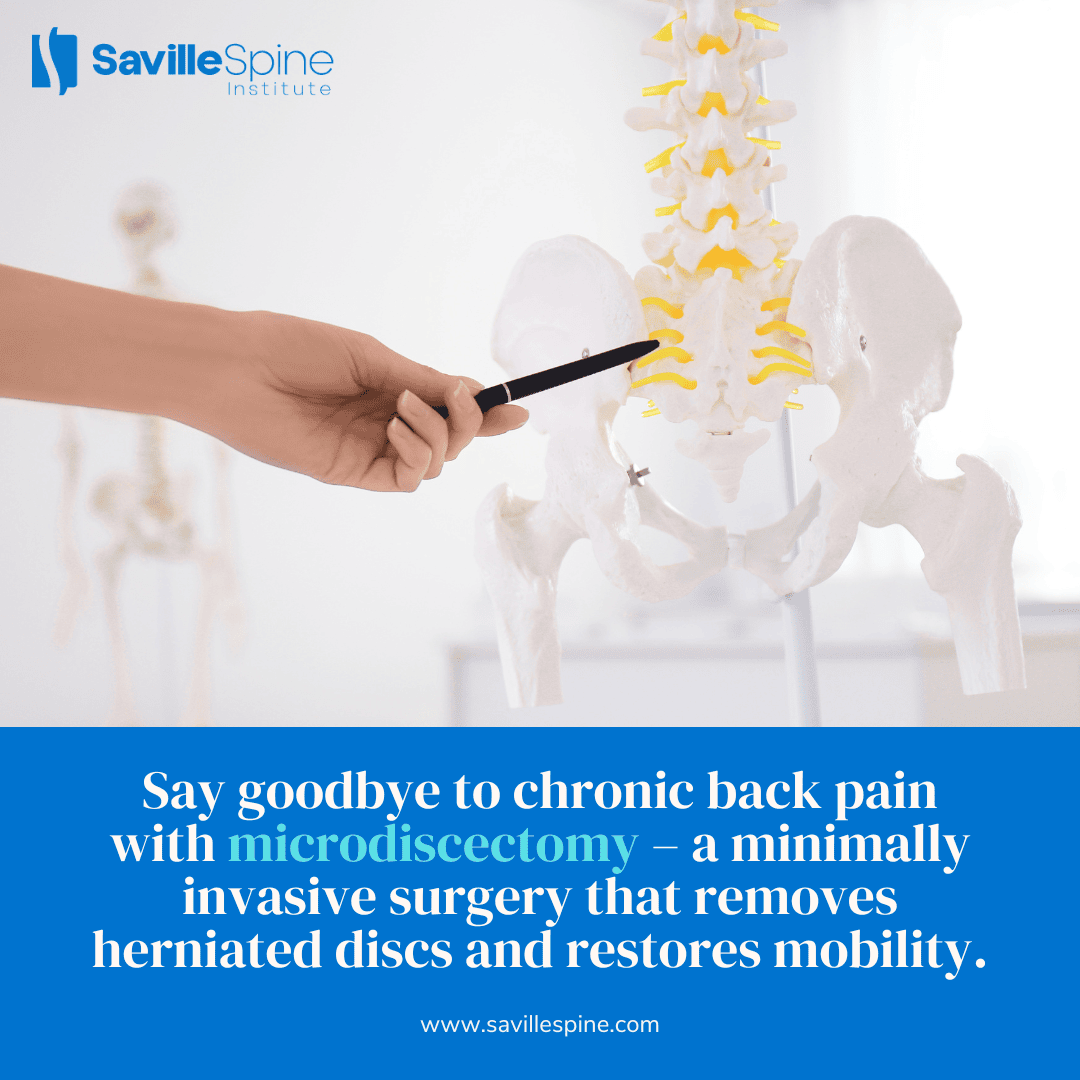
Microdiscectomy, or microdecompression, is a surgical procedure to treat herniated discs in the spine. The spinal discs act as cushions between the vertebrae, and when they become damaged or bulge, they can press on the surrounding nerves, causing pain, numbness, and weakness in the back and legs.
During a microdiscectomy, a small incision is made in the back, and the surgeon removes the damaged portion of the disc using a microscope. This relieves the pressure on the affected nerve and reduces the symptoms caused by the herniated disc.
Recovery Timeline After Microdiscectomy
Whether you are a patient or a loved one looking for information, this guide will give you a deeper understanding of what to expect in the weeks and months following a microdiscectomy.
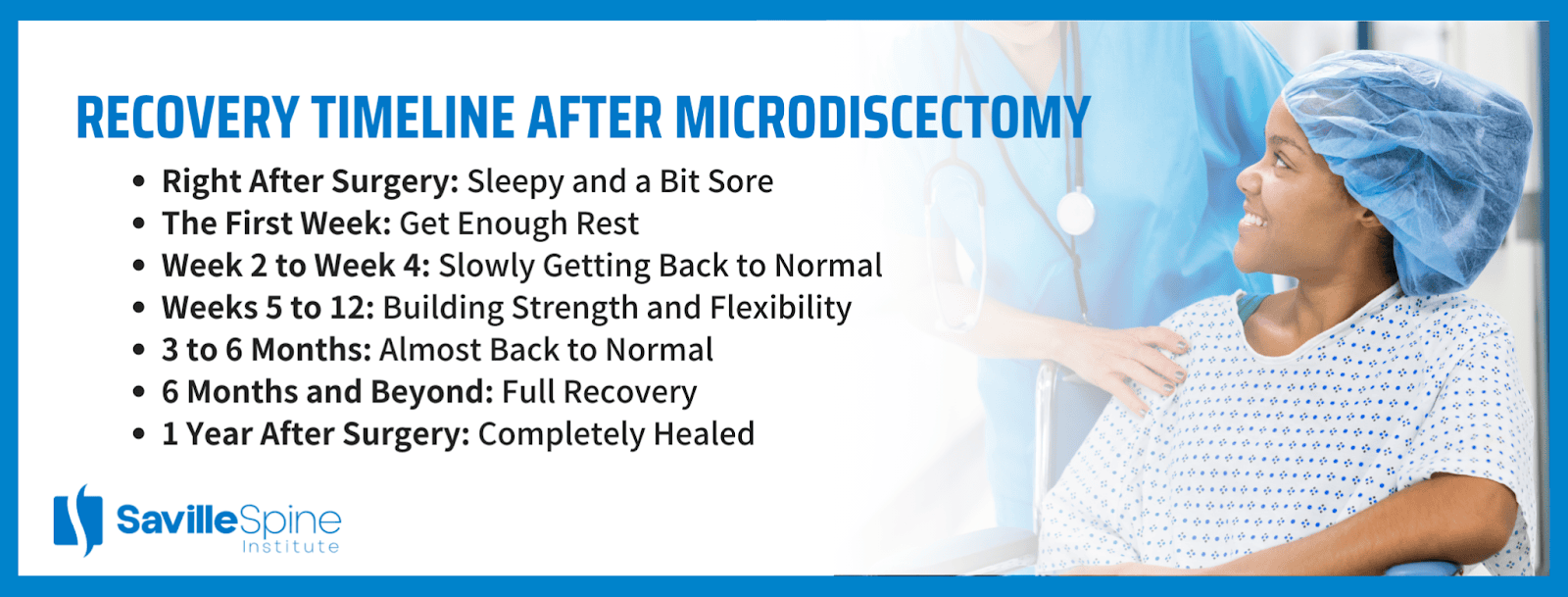
Right After Surgery: The First Few Hours
After your surgery, you’ll wake up in a recovery room. Nurses and doctors will be there to make sure you’re okay. You may feel sleepy and a bit sore. You might have a bandage on your back where the surgery was done. Most people can go home the same day as their surgery, but sometimes, you might need to stay in the hospital overnight.
The First Week: Taking It Easy
The first week after your surgery is all about rest. You’ll need to take it easy and avoid doing too much. Here are some things to keep in mind:
- Pain Management: You’ll have some pain and soreness. Your doctor will give you medicine to help with this.
- Movement: You should avoid bending, twisting, or lifting anything heavy. Walking short distances is good, but do just what is necessary.
- Wound Care: Keep the area where you had surgery clean and dry. Follow your doctor’s instructions for changing bandages and caring for the wound.
Week 2 to Week 4: Slowly Getting Back to Normal
After the first week, you can start doing more each day. Here are some guidelines:
- Activity: You can start doing light activities, like walking and gentle stretching. Avoid any strenuous activity or lifting heavy objects.
- Work: Many people can return to light work after 2-4 weeks, depending on your job and how you feel. If your job involves heavy lifting or a lot of movement, you might need more time off.
- Physical Therapy: Your doctor might recommend physical therapy to help you regain strength and flexibility. Physical therapists can show you exercises that are safe to do.
Weeks 5 to 12: Building Strength and Flexibility
You will continue to get more robust and flexible during this period. Here’s what to expect:
- Increased Activity: You can start doing more activities, but be careful not to overdo it. Gradually increase your walking distance and the exercises you do.
- Physical Therapy: Continue with physical therapy if recommended. It will help you recover faster and better.
- Pain Reduction: You should notice that your pain is lessening. If you still have a lot of pain, talk to your doctor.
3 to 6 Months: Almost Back to Normal
By this time, many people feel much better and can do most of their normal activities. Here’s what you can do:
- Return to Normal Activities: You can usually return to all your everyday activities, including exercise, but always check with your doctor first.
- Watch for Pain: If you feel any pain, stop what you’re doing and rest. It’s important not to push yourself too hard.
6 Months and Beyond: Full Recovery
Most people make a full recovery six months after surgery. Here’s what life might look like:
- Regular Exercise: You should be able to do all your exercises and activities without pain.
- Check-Ups: Keep having regular check-ups with your doctor to make sure everything is still going well.
1 Year After Surgery
It is not uncommon for some patients to continue experiencing improvement in their symptoms up to a year after their microdiscectomy surgery. By this point, you should feel completely healed and able to perform all daily activities without pain or discomfort. However, it is still essential to maintain proper posture, exercise regularly, and follow a healthy lifestyle to prevent future back problems.
Tips for a Smooth Recovery
Here are some tips to help you recover smoothly after your microdiscectomy:
- Allow your body to heal by taking ample rest after microdiscectomy surgery.
- Follow the doctor’s post-op instructions for a successful recovery.
- Drink plenty of water to keep your body hydrated and aid in healing.
- Engage in light movements and avoid strenuous activities to avoid re-injury.
- Follow physical therapy exercises to strengthen the muscles around your spine.
- Use lumbar support when sitting or lying down to alleviate pressure on your spine.
- Eat a nutritious diet to promote healing and prevent constipation.
- Take medications as prescribed.
- Avoid smoking.
- Consult your doctor if you experience any unusual symptoms.
- Keep wounds clean to prevent infections and promote healing.
- Gradually increase activity as advised by your doctor.
- Listen to your body and take breaks when needed
When to Call the Doctor
Sometimes, problems can happen after surgery. Call your doctor if you have any of these signs:
- Severe Pain: If your pain suddenly gets worse.
- Fever: If you have a fever over 100.4°F (38°C).
- Infection: If the area around your surgery becomes red, swollen, or has pus.
- Numbness or Weakness: If you have new or worsening numbness or weakness in your legs.
Why Choose Saville Spine Institute for Your Microdiscectomy Surgery?
At Saville Spine Institute, we specialize in helping people recover from spinal surgeries like microdiscectomy. Our team of expert doctors, nurses, and physical therapists is here to support you every step of the way. We offer personalized recovery plans and the latest treatments, including minimally invasive spine surgery, to ensure you return to your life as quickly and safely as possible.
If you or a loved one is facing spinal surgery and you’re looking online for a trusted “spine specialist near you,” don’t go through it alone. Our dedicated concierge doctor in Palm Beach is committed to guiding and assisting you at every stage of your microdiscectomy journey.
Contact us today to learn how we can help you achieve a smooth and successful recovery.
***
The material on this site is for informational purposes only and DOES NOT CONSTITUTE THE PROVIDING OF MEDICAL ADVICE, and is not intended to be a substitute for independent professional medical judgment, advice, diagnosis, or treatment. Always seek the advice of your physician or other qualified healthcare provider with any questions or concerns you may have regarding your health.
